Culture and History
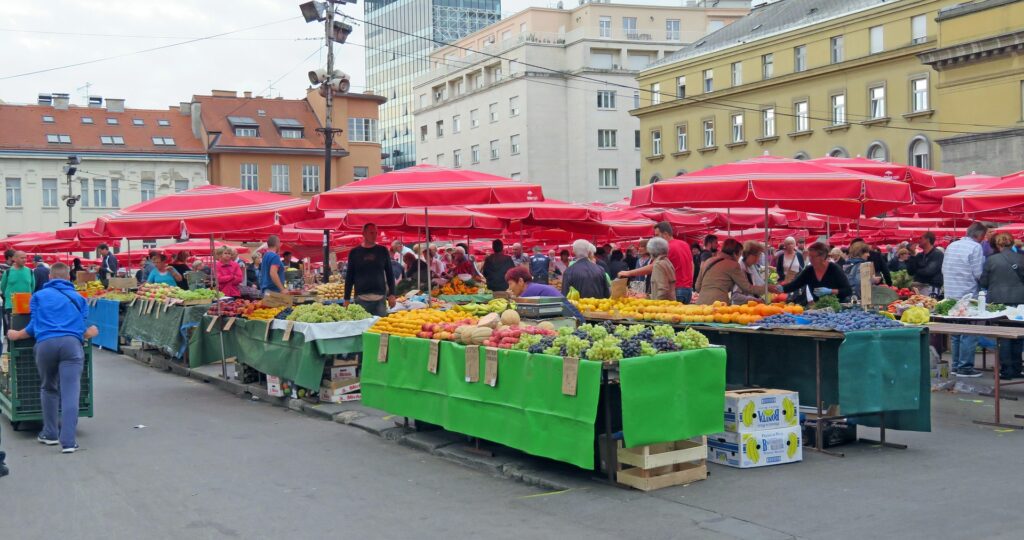
P-o-l-a-k-o. In Croatian, the word “polako” (полако) means “slowly” or “take it easy”. It’s a versatile word used as a suggestion to slow down, a command to be cautious or patient, and a reflection of the local mentality to take things slow and enjoy the moment.
How to act in Croatia
A warm handshake, smile, and eye contact go far in Croatia. Learn a few greetings like dobro jutro (good morning) or dobro veče (good evening). Close friends often hug or exchange cheek kisses. Take your cue for appropriate greeting from the person you are greeting.
When invited to a home, arrive on time or just a little late. Bring a small gift like cookies or flowers but avoid chrysanthemums and even numbers of flowers. Expect to remove your shoes and wear guest slippers. Hosts will likely serve food, or coffee. Always try what is served!
History of the Region
Croatia, independent since 1991 after the breakup of Yugoslavia, is a nation shaped by resilience and a difficult war of independence. Its history stretches back to ancient Roman times, with ruins and landmarks still visible today. Over the centuries, Croatian culture has been influenced by Austrian, Hungarian, and Ottoman rule, creating a rich blend of traditions, architecture, and cuisine. Today, Croatia is known for its stunning Adriatic coastline, medieval cities like Dubrovnik and Split, and a warm, family-oriented culture that values hospitality and community
Religion In Croatia
According to the 2021 census, 87.39% of Croatians identify as Christian; of these, Catholics make up the largest group, accounting for 78.97% of the population, after which follows Eastern Orthodoxy (3.32%), Protestantism (0.26%), and other Christians (4.83%). The largest religion after Christianity is Islam (1.32%). 4.71% of the population describe itself as non-religious.
“Population by Religion, by Towns/Municipalities, 2011 Census”. Census of Population, Households and Dwellings 2011. Zagreb: Croatian Bureau of Statistics. December 2012.